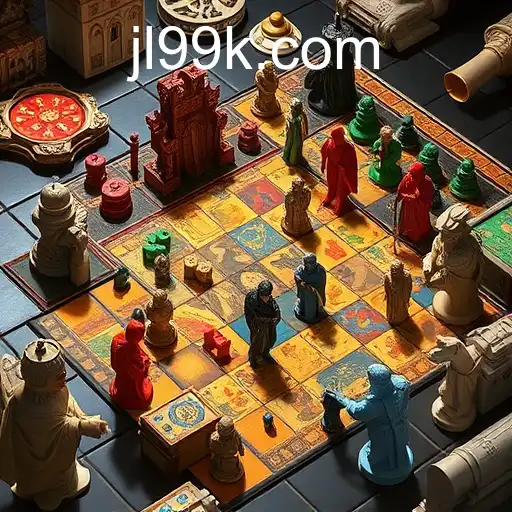
The Intriguing Universe of Tabletop Games
Tabletop games, a world of imagination and strategic depth, have captured the hearts of enthusiasts around the globe. From the comforting roll of dice to the intricate designs of boards and cards, these games offer not just entertainment, but avenues for creativity and strategic thinking. Let's delve deeper into this fascinating universe and uncover the allure of tabletop gaming.
The Historical Journey of Tabletop Games
The history of tabletop games is as diverse as it is long. Dating back to ancient times, these games have evolved alongside human culture. Ancient civilizations from Egypt to Rome played variations of strategic games, serving as a testament to their enduring appeal. The journey from these ancient origins to the comprehensive and elaborate games of today reflects innovation and continuous development.
Modern tabletop games trace their origins to the 19th century when games like chess and checkers gained widespread popularity. Fast forward to the 20th century, and the advent of iconic games such as Monopoly, Scrabble, and Risk further cemented the place of tabletop games in popular culture. The latter half of the century saw a significant shift with the introduction of role-playing games (RPGs) like Dungeons & Dragons, which added a layer of narrative and storytelling to the gaming experience.
The Evolution of Tabletop Gameplay
The evolution of gameplay is central to the appeal of tabletop games today. A transition from traditional dice and board games to complex RPGs and customizable card games has broadened the genre's appeal. Modern board games often incorporate intricate rules and mechanics, encouraging players to think strategically and work collaboratively.
Games like Settlers of Catan revolutionized the concept of resource management and negotiation, while newer entries such as Gloomhaven offer a hybrid of board and role-playing elements, allowing for deep strategic planning and emergent storytelling. These games challenge players to adapt, strategize, and occasionally forge alliances, showcasing the endless possibilities within this form of entertainment.
JL99: A Unique Indulgence in Tabletop Gaming
In the vast lexicon of tabletop games, certain titles and components stand out for their uniqueness, such as the intriguing keyword JL99. Whether a secret code or a specific game item, JL99 symbolizes the quirky charms that often accompany these games. While it's unclear what exactly JL99 refers to within the broader context of tabletop gameplay, its mention evokes curiosity and engagement among enthusiasts, who thrive on shared experiences and insider knowledge.
Tabletop gaming communities often form around unique aspects like JL99, creating vibrant discussion forums and sharing insights on platforms specifically designed for enthusiasts. These discussions are integral to the communal experience of tabletop gaming, where enthusiasts analyze gameplay intricacies, uncover hidden features, and establish a deep bond over shared interests.
The Cultural Impact of Tabletop Games
Tabletop games have had a significant influence on contemporary culture. They have transcended the realm of hobby to become a cultural phenomenon, influencing literature, film, and even educational curriculums. Their impact is not limited to leisure; tabletop games serve as tools for critical thinking, improved social skills, and educational development.
Moreover, tabletop games have helped forge connections, bringing together players from diverse backgrounds. Events like board game conventions and competitive leagues have sprung up worldwide, fostering an inclusive environment that celebrates creativity and diversity. The sense of community belonging is a critical factor in their enduring popularity, as players continue to cherish the communal experiences these games offer.
The Creative Freedom of Tabletop Games
Central to the appeal of tabletop games is the creative freedom they offer. Unlike digital games bound by code and graphics, tabletop games allow players to alter rules, create unique narratives, and even design new games. This flexibility not only fuels creativity but also caters to a personalized experience. Within this framework, players are both creators and participants, elevating the essence of storytelling and imagination.
Game designers often encourage this form of creativity, providing expansion packs and customizable elements to enrich the gaming experience. By doing so, players are continuously enticed by fresh challenges and new story arcs, raising the bar for immersive gameplay.
Conclusion
The vast and dynamic world of tabletop games is a testament to human creativity and the power of imagination. From their storied history to the modern-day innovations and cultural impact, these games have cemented their place in our hearts and minds. Whether it's the enchanting draw of a keyword like JL99 or the strategic complexity of the latest board game, tabletop games offer an irreplaceable form of entertainment. They embody the passion for connection, creativity, and exploration, making them an enduring favorite for generations to come.